Posts

Showing posts with the label heat recovery systems

Epcon Industrial Designs Installs High-Velocity Oven

Image
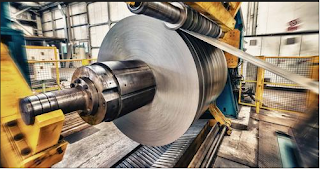
Epcon Industrial Systems is a known leader in designing and building ovens and oxidizers for continuous web processing applications, where the web can be either steel or aluminum, paper, plastic, fiberglass, and/or any composite material. The company’s challenge for an automotive industry customer was designing a high-velocity oven with forced convection to process 60-inch wide steel or aluminum web. This system used Epcon’s patented technology to integrate the functionality of oven(s) with the oxidizer , to increase efficiency. The system was 100 percent installed and commissioned on a turnkey basis. Read more https://thermalprocessing.com/news/epcon-industrial-designs-installs-high-velocity-oven

55 Gallon Drum Line Equipped with Wash lines, Ovens, Recuperative Thermal Oxidizer and Heat Recovery Methods

Image
The Challenge A global German company, wanted to have a presence in the United States to manufacture 55 Gallon Drums . The new facility in the US needed to not only comply with EPA’s regulatory standards, but also provide increased processing speeds and fuel efficiency. The Solution Epcon’s capacities of designing, engineering and manufacturing of specialty and finishing equipment is unparralled. Our team custom engineered and selected thethe following systems in all Stainless Steel – including all Stainless Steel conveyors, assembly parts components, including the vertical pumps. All stages heated to a temperature of 180 °F for chemical cleaning. Two (2) 3-stage Washlines for deoiling and phosphatising the steel before painting Multiple 2 lane and 4 lane exterior Bake Ovens Double and Single Lining Ovens Multiple Batch Ovens Lid Lining and Curing Ovens Multistage Heat Recovery One Single Oxidizer, 40 000 SCFM Capacity Recu...

Coil Coating Line with Regenerative Thermal Oxidizer and Multistage Heat Recovery

Image
The Challenge A Coil Coating operation utilized an old direct-fired afterburner and a portion of the exhausts gas to heat a 100’ long curing oven, operating at line speeds up to 700ft/min The Solution Evaluating the appropriate oxidation system for a specific process stream is more challenging and requires in depth analysis of the specific process gas and operating parameters, as there are many configurations to choose from. A Direct Fired Afterburner, sometimes called an incinerator, is the most elementary system, as it contains no heat recovery system. Ideal for high VOC levels and fluctuating operating conditions. Thermal oxidizers are more sophisticated systems with a variety of heat recovery systems and configurations, typically used for larger process air flows.  Regenerative system, which uses media to absorb and transfer heat, was selected for this application.  In addition they are not steady-state, Instead they rely on a cycling gas, which flows ...

Aluminum Processing Industrial Equipment

Image
Aluminum Industry Overview Epcon has a long history of providing process and environmental compliance technology solutions to the Aluminum industry. Up and down the value chain, Epcon has delivered innovative solutions for primary and Secondary metal processing , Scrap metal recycling, Aluminum coil/sheet coating, Cast, Forged and Extruded Aluminum Parts Heat Treatment as well as Aluminum Parts Coating applications. Our experience team handles every aluminum application from anodizing, burn out processing, to normalizing ingot logs and coil bundles. Epcon is a leading provider of proven Thermal Oxidation , Thermal Processing (Thermal Deoiling, Ovens & Furnaces) and Finishing Systems to some of the world’s leading Producers of Aluminum Materials and Products.  Having worked with some of the largest producers in the aluminum Industry, Epcon is a trusted supplier of lasting equipment, custom engineered to be the cost effective, environmentally sound solution on the mark...

Industrial Equipment for Air Conditioning and Heating Manufacturing

Image
Epcon’s collaboration with industry leading Air Conditioning Evaporator and Condenser manufacturers is a perfect example of how Epcon’s attention to customers’ needs results in innovative and cost effective environmentally friendly solutions. When the   HVAC industry   was faced with the challenge of eliminating hazardous solvent based degreasing materials from their processes, Epcon worked closely with industry leaders, to develop an innovative and then patented   Thermal Deoiling   System. Not only did the system achieve the desired degreasing/deoiling and cleaning performance but, at a significant net operating cost savings. Epcon holds two patents:  Thermal Deoiling and Thermal Degreasing. As the first-choice equipment supplier to the Industry,we engineer integrated systems, incorporating  heat recovery  methods and thermal recycling, ensuring your process is optimized for efficiencies. With hundreds of units in the field around the world, Epcon no...

Epcon Industrial Systems Receives Order for Thermal Deoiler

Image
Thermal Deoiling is essential to have absolutely clean fins, used in radiators, condensers, evaporators, or anything that goes through the brazing operation. Over the years, Epcon Industrial Systems , Conroe, Texas, has supplied dozens of systems for this application and holds two patents on Thermal Deoilers . Recently, Epcon received an order from one of the original customers, to duplicate a previously supplied system, now enhanced with our new patented engineering technology. For more information, Visit https://epconlp.com See the featured article on https://www.modernmetals.com/item/15840-epcon-industrial-systems-receives-order-for-thermal-deoiler.html

Epcon Featured Project in Powder & Bulk Solids Magazine

Image
Aluminum Parts Drying Oven Dry-off or drying ovens are a critical final step in many production processes with temperatures that can range from just above ambient up to 1000°F. Utilized across a wide range of applications, these ovens are not only useful for simple dry-off requirements for parts production, but also used for more complex moisture reduction and sterilization processes with stringent temperature and uniformity ranges. Recently, Epcon designed a drying oven as part of a larger metal finishing system for a new facility for an Aluminum parts producer. Located at the exit end of the Washline, the oven dries the parts so they are ready for the final painting and curing stages. By utilizing advanced airflow management and comprehensive heat recovery methods, Epcon’s engineers were able to maximize the overall operating thermal efficiency. Integrating the drying ovens into the comprehensive system design allows for thermal recycling and greatly reduces fuel consumpt...

Excellence in Coil Coating Applications

Image
As leading supplier for the Coil Coating Industry for over 45 years, we at Epcon Industrial Systems are proud to continue leading the way in innovative solutions for pre-painting steel and aluminum substrates. Our state-of-the-art industrial systems have been the choice of the industry's top coil coaters, thanks to their efficiency and cost-effectiveness. At this year's recent NCCA (National Coil Coating Association’s) Annual Meeting, Our team had a chance to engage with the industry's leaders, reaffirming our commitment to excellence and innovation. Here's to many more years of partnership and success in the Coil Coating Industry! For more information on NCCA and the event visit: https://epconlp.com/industries_served/coil-coating/ #CoilCoating #IndustrialInnovation #EpconIndustrialSystems #SteelAndAluminumCoating

Epcon Designs & Builds Large Capacity Recuperative Thermal Oxidizer

Image
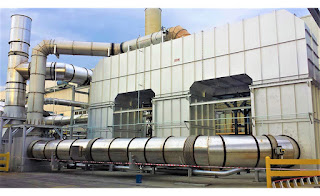
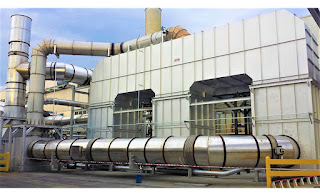
Epcon , Conroe, Texas, designed and built this large capacity Recuperative Thermal Oxidizer for a 55-gallon steel drum manufacturing operation. This system consists of Recuperative Oxidizer with primary and secondary heat recovery and stainless-steel insulated ductwork to and from various ovens and sources of emissions. The entire system was built, shipped in components, installed, and commissioned by Epcon personnel. This is another feather in Epcon’s hat for a repeat customer. For more information, Visit https://epconlp.com See the featured article on https://www.modernmetals.com/item/15997-epcon-designs-and-builds-large-capacity-recuperative-thermal-oxidizer.html  

Thermal Curing: A Cornerstone of Composite Bonding and the Challenges of VOC Emissions

Image
Thermal curing, the process of hardening adhesives and sealants using heat, is a ubiquitous technique in numerous industrial and product manufacturing processes. In recent years, the composites industry has garnered increasing attention, particularly in the automotive and aerospace sectors. This surge in popularity stems from the desire to reduce vehicle and aircraft weight, thereby minimizing fuel consumption and greenhouse gas emissions. Composite materials , employed in these industries, must possess exceptional tensile strengths and load-bearing capabilities to withstand extreme temperatures and pressures. Three prominent composite bonding methods, each involving adhesive application – secondary bonding, co-bonding, and co- curing with the adhesive – predominantly differ in curing schedules. However, they all rely on heat-cure methods. In all cases, the adhesive composition must be meticulously designed to meet performance requirements under a wide range of conditions. This is why...

A Look Back : Top Industrial Gases & Atmospheres Articles of 2018

Image
Epcon's Article, The Impact of Thermal Oxidizer Sizing on Melt-System Capacity, was one of the most popular features in Industrial Heating Magazine. Below is an overview of the top five high traffic articles from 2018.  To continue a trend we started in 2017, Industrial Heating will highlight a topic on our website and list the most-popular articles under that topic according to page views. We do this for two reasons: first, to showcase some of the outstanding content on www.industrialheating.com ; second, to provide a useful resource for readers who have a particular interest in that topic. As you will see, industrial gases and atmospheres covers a wide range of technologies – from combustion to endothermic generators to thermal oxidizers. Here is a list of the five most-viewed IGA articles on our website in 2018. Combustion Technologies Improve Melting-Furnace Productivity This article from June 2018 was clearly the most popular in this topic on our website last year. Provid...

Improving Efficiency and Sustainability in Composites Bonding

Image
A new system comprising a curing oven, regenerative thermal oxidizer (RTO) , and secondary and tertiary heat exchangers can help reduce operating costs while ensuring the safe removal of volatile organic compounds during composite bonding processes. Among all chemical curing techniques, convection and radiant thermal curing represent the most widely used applications for adhesives and sealants . During the curing process, adhesives and sealants usually pass through two physical transformations—evaporation and condensation—while being applied to other materials. In addition to physical changes, the specific temperatures cause chemical changes in adhesives and sealants at a molecular level, where polymer chains’ crosslinking occurs. Crosslinking represents the final step of polymerization, which optimizes the tensile strength of the material and solidifies the adhesive bonds in the curing process. Achieving this critical threshold requires not only predetermined temperature ranges but...

Methods to Increase Paint and Coating Application Process Efficiencies

Image
The industrial painting and coating of surfaces typically involves stages of heat treatment along with significant VOC emissions, which make the process well suited for an integrated “ oven /oxidizer combination” design with multi-stage heat recovery. By utilizing heat exchangers to transfer heat, it is possible to recover and recycle most of the thermal energy that would otherwise be wasted in the process, and potentially save millions in annual operating costs. A primary heat exchanger is used to pre-heat the process gas as it enters the air pollution control unit. These are typically in the form of regenerative and recuperative thermal oxidizers. From there, a secondary and even tertiary heat exchange system can be utilized to further recycle thermal energy. Within industrial paint and coating applications, the inclusion of multi-stage heat recovery between the ovens and oxidation process not only ensures emission compliance, but enhances thermal efficiency and overall system pe...